The global packaging industry has undergone a massive transformation, with the film blowing machine serving as the technological backbone for producing everything from high-barrier food packaging to industrial stretch wraps. By leveraging the physics of extrusion and air inflation, these machines allow manufacturers to create thin, strong, and versatile plastic films that meet the rigorous demands of modern logistics and consumer safety. Understanding the nuances of this technology is essential for any business looking to optimize production efficiency and reduce material waste.
From an industrial perspective, the shift toward multi-layer extrusion has redefined what is possible in material science. Modern systems can now combine different polymers—such as PE, PP, and biodegradable resins—into a single structure, providing superior oxygen barriers and mechanical strength without significantly increasing the film's thickness. This evolution is not just about capacity, but about the precision of the film blowing machine in managing temperature and melt pressure to ensure uniform quality.
As sustainability becomes a global mandate, the role of the film blowing machine is evolving once again to accommodate recycled resins and compostable materials. The challenge for today's manufacturers is to balance high-speed output with the volatile nature of recycled plastics. By investing in advanced extrusion technology, companies can transition toward a circular economy while maintaining the high-performance standards required by global supply chains.
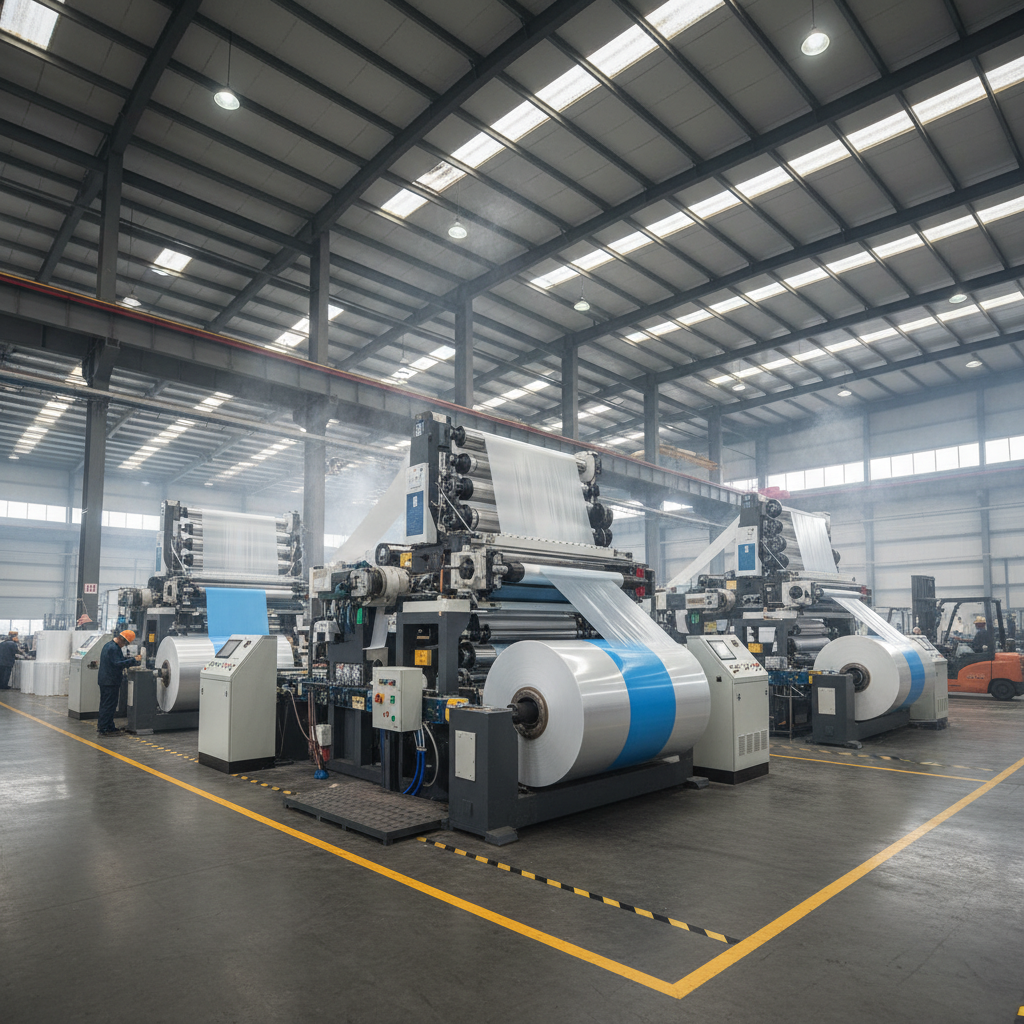
Global Industry Context of Film Blowing Machines
The global demand for plastic films is inextricably linked to the growth of the e-commerce and food preservation sectors. According to industry reports and ISO quality standards, the precision of the film blowing machine has become a critical KPI for manufacturers aiming to reduce the "carbon footprint per kg" of produced film. As emerging economies in Asia and Africa expand their retail infrastructure, the need for scalable and energy-efficient extrusion lines has surged.
However, the industry faces a significant challenge: the volatility of raw material costs and the increasing pressure from environmental regulations. To combat this, manufacturers are pivoting toward machines that can handle a higher percentage of Post-Consumer Recycled (PCR) resins. The ability of a film blowing machine to maintain bubble stability while processing inconsistent recycled materials is now the primary frontier of technical competition.
Defining the Mechanism of Film Blowing Technology
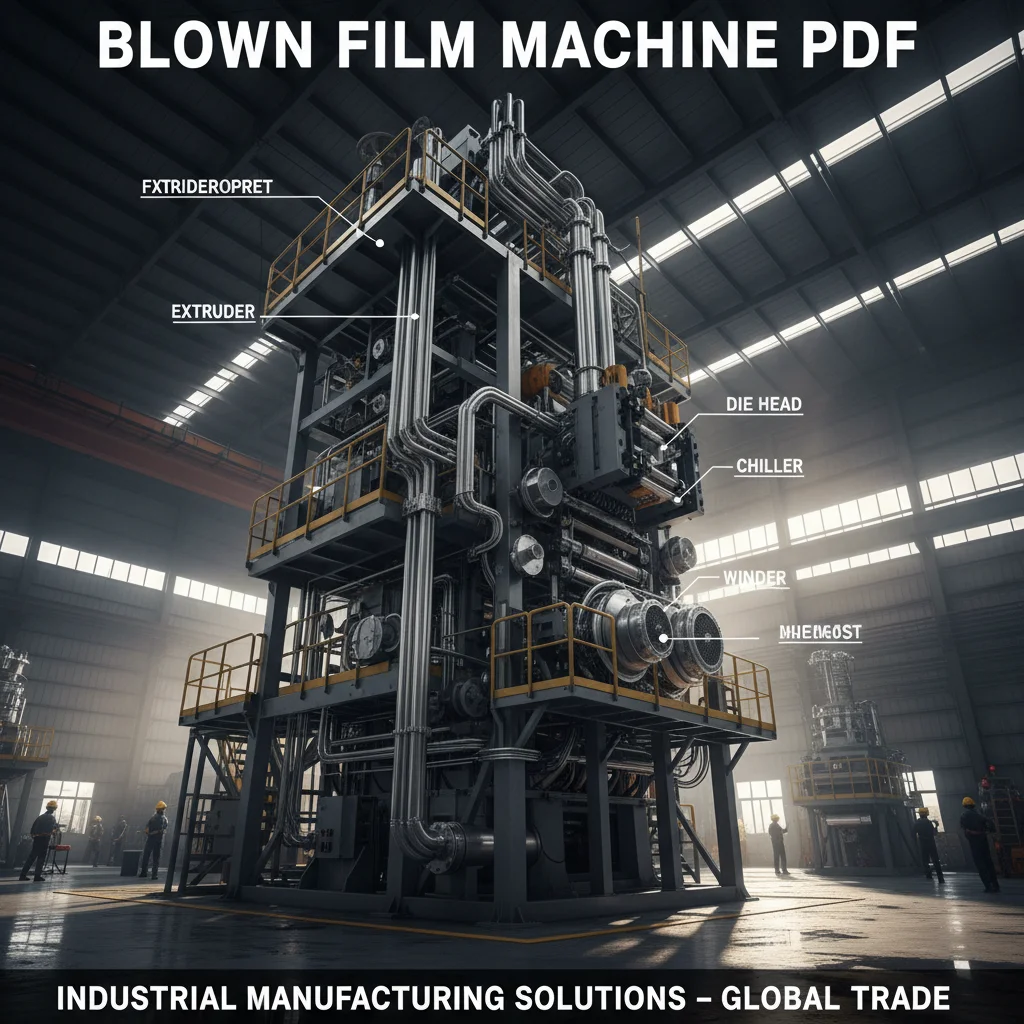
At its core, a film blowing machine is an extrusion process where thermoplastic resins are melted and forced through a circular die to create a continuous tube of plastic. This tube is then inflated with air to create a "bubble," which stretches the plastic both vertically and horizontally. This biaxial orientation is what gives the resulting film its characteristic strength, clarity, and puncture resistance.
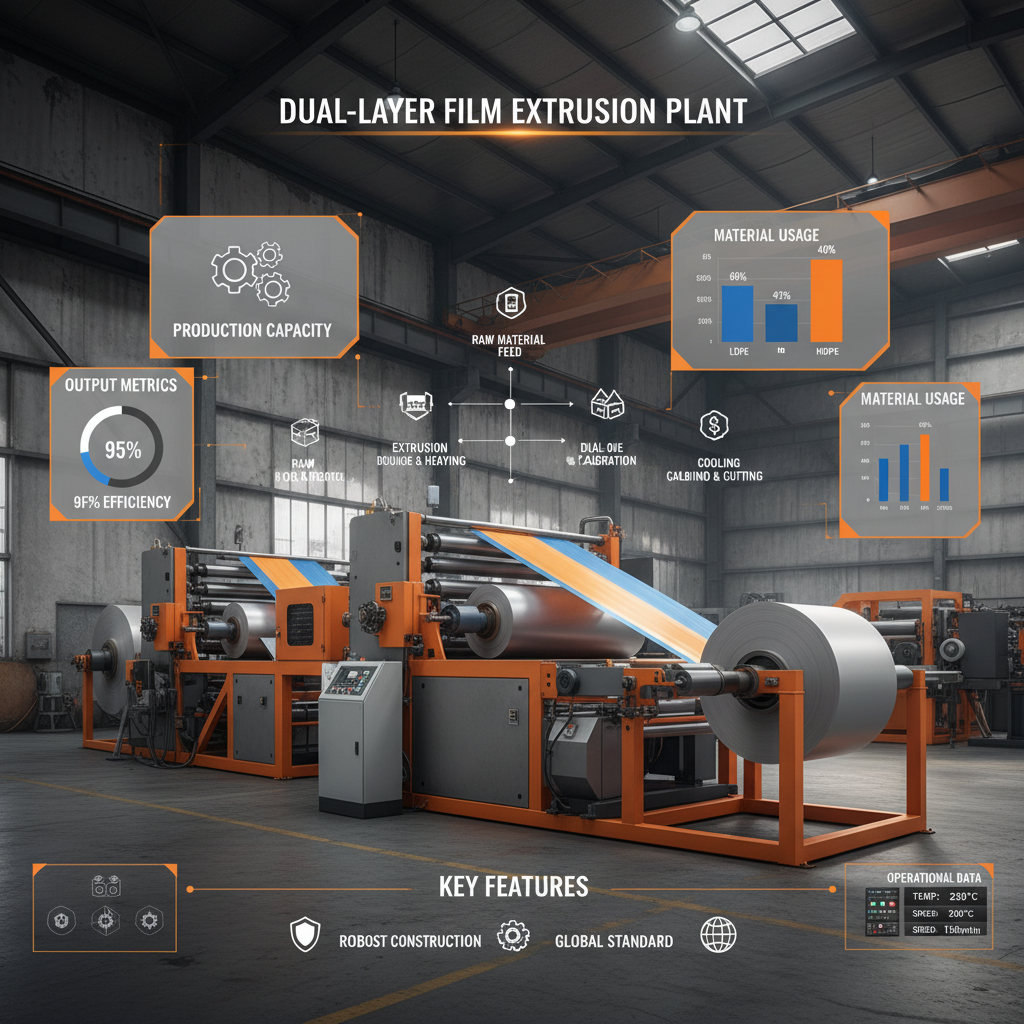
Unlike cast film extrusion, the blown process allows for the creation of multi-layer structures in a single pass. By utilizing multiple extruders—as seen in Double Layer or Three Layer ABC machines—manufacturers can sandwich different materials. For example, a layer of Tie-resin can be used to bond a high-strength outer layer to a moisture-barrier inner layer, creating a high-performance composite that is essential for medical packaging.
This technology serves a critical humanitarian and industrial need by providing affordable, sterile, and durable packaging for vaccines, food, and clean water supplies in remote areas. The versatility of the film blowing machine ensures that products can be transported across oceans and continents without degradation, directly contributing to global food security and healthcare accessibility.
Core Components for Maximum Performance
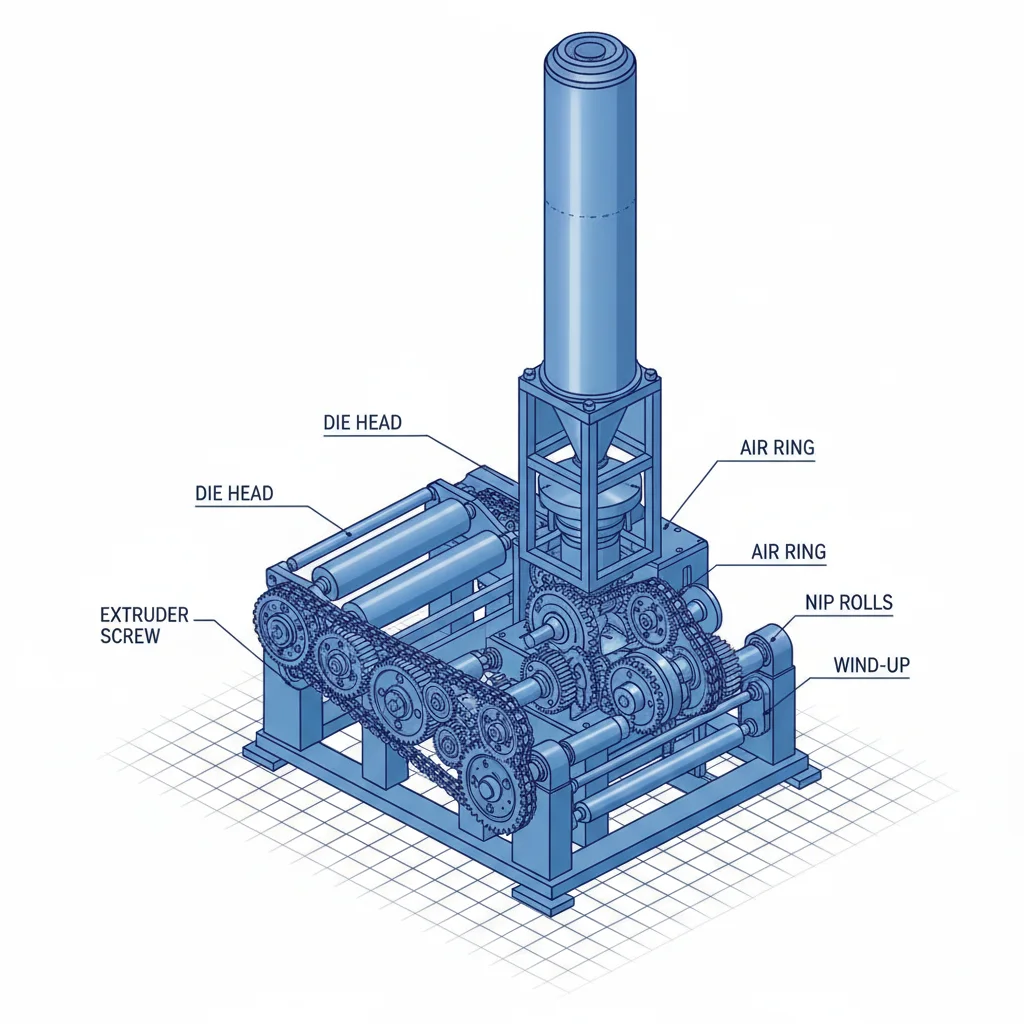
The heart of any high-quality film blowing machine is the extruder screw and barrel. The design of the screw determines the homogenization of the melt; a well-engineered screw ensures that the polymer is melted uniformly, preventing "gels" or un-melted particles that could cause tears in the final film.
Precision die-head technology is equally vital. The air ring, which cools the bubble immediately after it leaves the die, must provide a perfectly symmetrical flow of air. Any fluctuation in cooling can lead to "gauge variation," where the film thickness is inconsistent across its width, compromising the structural integrity of the packaging.
Finally, the take-up system and winding unit determine the final tension and quality of the roll. Advanced film blowing machine systems utilize automatic bubble control and tension sensors to ensure that the film is wound tightly and evenly, reducing waste during the subsequent conversion process.
Comparing Extrusion Methods and Efficiency
Choosing the right configuration of a film blowing machine depends entirely on the required properties of the end product. Single-layer lines are cost-effective for simple bags, while multi-layer lines (3-layer or 5-layer) are necessary for high-barrier applications. The trade-off typically involves a balance between initial capital expenditure and the long-term value of the premium films produced.
Efficiency is measured not just by output speed (kg/hr), but by the energy consumption per unit of production. Modern machines incorporate inverter-controlled motors and high-efficiency heaters to minimize power loss, ensuring that the cost per ton of film remains competitive in a tight market.
Efficiency Ratings of Different Film Blowing Machine Configurations
Global Applications and Industrial Use Cases
The application of the film blowing machine spans nearly every modern industry. In the agricultural sector, blown film is used to create mulch films that conserve soil moisture and suppress weeds, significantly increasing crop yields in arid regions of Central Asia and Africa. These films are engineered for specific degradation rates to avoid soil contamination.
In the medical and pharmaceutical fields, multi-layer film blowing machine technology is used to create sterile packaging that protects sensitive drugs from UV light and moisture. By integrating anti-static and antimicrobial layers, these machines ensure that life-saving equipment remains uncontaminated from the factory to the operating room.
Long-term Value and Sustainability Gains
Investing in a high-end film blowing machine provides tangible long-term value through the reduction of "down-gauging." Down-gauging is the process of making a film thinner while maintaining the same mechanical strength. By using multi-layer technology, manufacturers can reduce the total amount of plastic used per bag, leading to lower raw material costs and a smaller environmental footprint.
Beyond the financial metrics, there is a significant social impact. The ability to produce high-barrier films locally in developing regions reduces the reliance on expensive imports and lowers the carbon emissions associated with long-distance shipping. Trust in the supply chain is built upon the reliability and safety of the packaging, which is directly enabled by the precision of the extrusion process.
Furthermore, the transition to "mono-material" structures—where multiple layers are made from the same polymer family (e.g., all-PE)—makes the final product much easier to recycle. Modern film blowing machine designs are specifically optimized for these mono-materials, bridging the gap between industrial performance and ecological responsibility.
Future Trends in Blown Film Innovation
The future of the film blowing machine is being shaped by Industry 4.0. We are seeing a rapid integration of AI-driven sensors that monitor bubble stability in real-time and automatically adjust the air ring or extruder speed to correct deviations. This "closed-loop" control system eliminates human error and maximizes the yield of Grade-A film.
Material innovation is another driving force. The rise of PLA (Polylactic Acid) and PBAT (Polybutylene adipate terephthalate) requires a film blowing machine with specialized screw profiles and precise temperature control to prevent thermal degradation. These "green" machines are becoming the standard for companies aiming to comply with strict EU and North American plastic bans.
Finally, we expect to see a surge in modular extrusion systems. Instead of fixed-layer machines, future installations may allow operators to swap extruder modules to change from a 3-layer to a 5-layer process with minimal downtime. This flexibility will allow small-to-medium enterprises to respond rapidly to changing market demands.
Comparison of Blown Film Technology Evolution and Performance
|
Machine Generation
|
Primary Material Focus
|
Control System
|
Sustainability Score (1-10)
|
| Traditional Single Layer |
LDPE/LLDPE |
Manual / Basic PID |
4 |
| Standard Co-extrusion |
Multi-polymer Blend |
PLC Automated |
6 |
| Advanced 3-Layer ABC |
High Barrier / Tie Layers |
Smart PID Control |
7 |
| Recycled Material Line |
PCR / PIR Plastics |
Degassing Systems |
9 |
| Biodegradable Specialist |
PLA / PBAT / Cornstarch |
Precision Thermal Control |
10 |
| AI-Integrated Gen 4 |
Hybrid Eco-Polymers |
AI Closed-Loop |
9 |
FAQS
A single layer machine uses one extruder to create a film of a single material, ideal for basic bags. Multi-layer machines (Double, Three, or Multi-layer) use multiple extruders to combine different resins. This allows for "functional layers," such as an outer layer for printing and an inner layer for oxygen barriers, significantly improving the film's protective properties and reducing overall thickness through down-gauging.
While possible, standard machines often struggle with the impurities and moisture in recycled plastics, leading to bubble instability and "fish-eyes" in the film. For high-quality recycled production, we recommend a film blowing machine equipped with a degassing extruder and a high-performance filtration system to remove contaminants and maintain consistent melt flow.
Gauge variation is typically caused by uneven cooling or temperature fluctuations in the die. Ensure your air ring is properly aligned and the air flow is symmetrical. Additionally, upgrading to a machine with an automatic bubble control system and high-precision PID temperature controllers can help maintain a consistent wall thickness across the entire bubble.
Biodegradable resins are highly sensitive to heat and shear. The best machines for PLA or PBAT feature specialized low-shear screws and precise temperature zones to prevent material degradation. Look for "Eco-series" machines specifically designed for bio-polymers, as they ensure the material maintains its compostable properties without burning during extrusion.
With proper maintenance—including regular screw cleaning, heater check-ups, and lubrication of the take-up system—a professional-grade film blowing machine can last 10 to 15 years. The core components, such as the screw and barrel, may require refurbishment every few years depending on the abrasiveness of the materials (like CaCO3 fillers) being processed.
Increasing output involves optimizing the "melt throughput." You can achieve this by upgrading to a higher-torque motor, optimizing the screw design for higher flow, or improving the cooling capacity of the air ring to allow for faster bubble take-up. However, it is crucial to balance speed with cooling to avoid compromising the film's mechanical strength.
Conclusion
The film blowing machine remains an indispensable pillar of modern manufacturing, bridging the gap between raw polymer science and practical, everyday packaging solutions. From the efficiency of single-layer lines to the sophisticated barrier properties of multi-layer ABC machines, the technology continues to evolve toward greater precision, lower energy consumption, and enhanced material versatility. By focusing on the synergy between high-quality components—like the extruder screw and the air ring—and the adoption of smart control systems, manufacturers can achieve a balance of high productivity and superior quality.
Looking forward, the industry's trajectory is clearly defined by the transition toward a circular economy. The integration of AI, the rise of mono-material structures for easier recycling, and the adoption of biodegradable resins are no longer optional but essential for long-term viability. For businesses looking to remain competitive, investing in flexible, energy-efficient, and "green-ready" extrusion technology is the most strategic path forward. To explore the latest in high-performance extrusion technology and find the right configuration for your production needs, visit our website: www.cnchsj.com.